Contact Us
[contact-form-7 id="ceb4db8" title="Contact form 1"]

KNP Logistics Group was able to survive 150 years of business despite the increased odds of a small business failing and numerous economic depressions. KNP Logistics Group was a transport company that specialized in transport, inventory management, and warehousing goods.
They provided their services for big clients in the UK, until one weak password brought them to their knees and made them prone to a ransomware attack, ending their run forever. A ransomware group named Akira managed to simply guess a weak password, gain access to their networks, and deploy a malicious payload. A century and a half of business was completely undone by a compromised password.
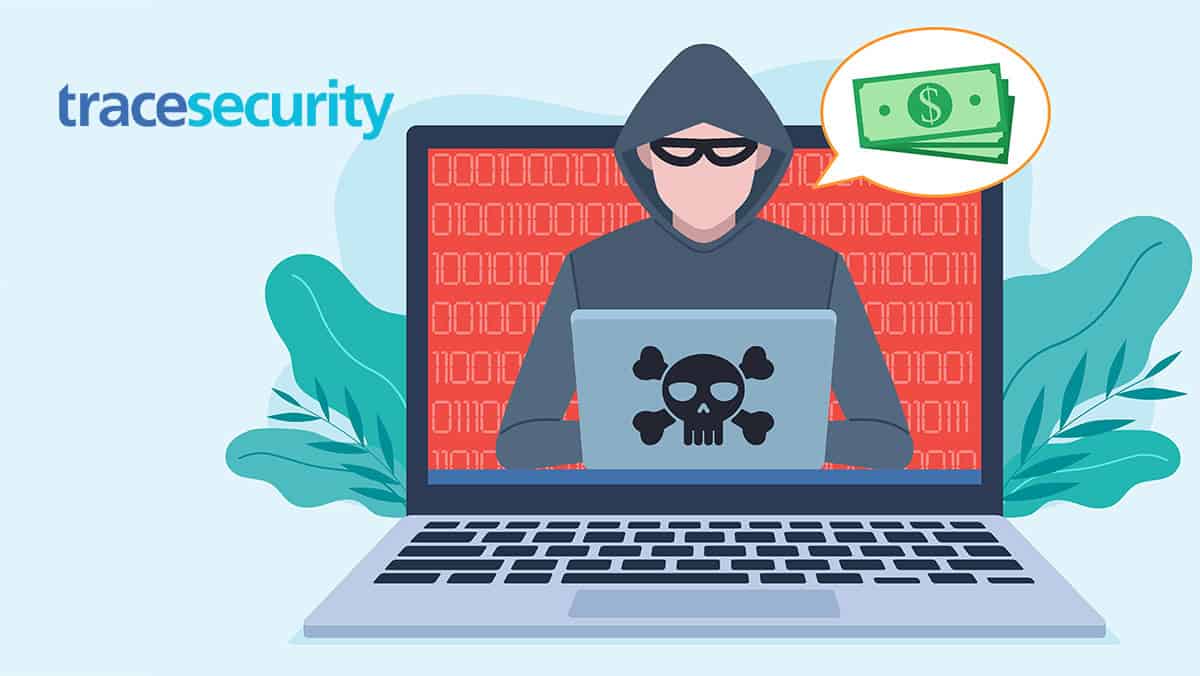
The Akira group focused on an employee within KNP Logistics Group that had weak passwords and did not have MFA enabled. Once they gained a foothold within their network, they deployed their ransomware, encrypting crucial business data, while demanding $5 million to unlock it.
Even the organization’s data backups were held ransom. KNP did not have the funds to pay the ransom and were forced to begin layoffs as the company could not keep operations going. Even if they could have paid the ransom, it would have been severely crippling, with no guarantee that the attackers would have held up their end of their bargain and actually decrypted the data.
A ransomware attack is an attack that involves a malicious actor encrypting an organization’s data and not providing the key to decrypt the data until a ransom is paid. These types of attacks can leave organizations crippled and potentially helpless until they pay the ransom. A ransomware attack can be extremely damaging, especially if an organization’s backups are compromised.
TraceSecurity offers a ransomware preparedness service to help gauge whether your organization is vulnerable to these attacks. The goal of the assessment is to help bolster your security posture, ensure properly segmented backups, and keep downtime to a minimum.
The two major components leading up to KNP Logistics Group’s cyberattack were weak password standards and a lack of multi-factor authentication. Not having these measures in place can give a malicious actor an easy entry into your environment. TraceSecurity offers several services to train employees on phishing attacks, review password policies and standards, and determine effective network infrastructure.
Malicious actors will use any tool at their disposal to infiltrate businesses and profit from their weaknesses. A weak password and lack of MFA present easy ways for them to compromise systems; thus, making it vital to implement and maintain preventative measures.
This long-standing company was quickly dismantled from a user’s weak password, and this story could have been very different if strong password practices were used. It’s best to plan ahead and implement proper measures to prevent ransomware attacks before they happen. Utilizing both of TraceSecurity’s ransomware preparedness assessments and audit services can be a great way to evaluate one’s defenses against these cyberattacks and many others.