Contact Us
[contact-form-7 id="ceb4db8" title="Contact form 1"]


Before we learn packet sniffing, we have to understand what a packet is. A packet is a small unit of data transmitted across a network. The computer or device that receives it then sends packets over the network and recombines them. A packet has three parts: header, payload/data, and trailer.
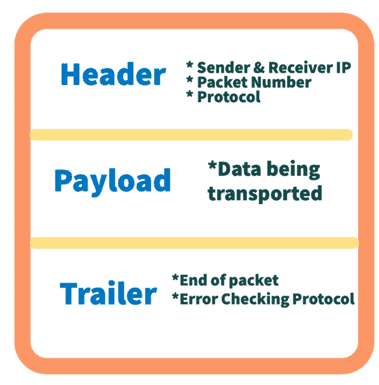
Packets and packet sniffing are part of the Data Link Layer in the OSI (Open Systems Interconnection) model and are associated with networks. Packet Sniffing is a method of detecting and accessing packet data sent through IP/TCP (Internet Protocol/Transmission Control Protocol), which are communication protocols used to interconnect network devices on the Internet.
Packet sniffers or packet analyzers are hardware or software that monitor network traffic. There are two types of packet sniffing: hardware packet sniffing and software packet sniffing.
Another way to analyze packets is to filter them. Unfiltered packet sniffing allows data packets to be captured and analyzed later, while filtered packet sniffing allows data packets to be captured only if they meet specific criteria.
A packet sniffing attack occurs when a hacker uses a packet sniffer to obtain personal and confidential data for malicious purposes. This allows hackers to launch more attacks, such as spoofing, SQL injection, and malware.
Types of Packet Sniffing Attacks:
Knowing methods of attacks can help you understand what procedures you need to put in place to protect yourself. Hackers use many methods, like packet sniffing, to steal your data or information. The more you know about these methods, the more you can protect yourself from these malicious actors.