Client Login
Select a platform below to log in

One of the first steps in many social engineering attacks is usually reconnaissance. Bad actors will scour the Internet in order to gather information, specifically regarding their targets. A business may not be aware of how many things that a hacker can get from a simple profile or a work email address listed under a name. It’s always a good idea to keep these things from your business’s website or contact information.
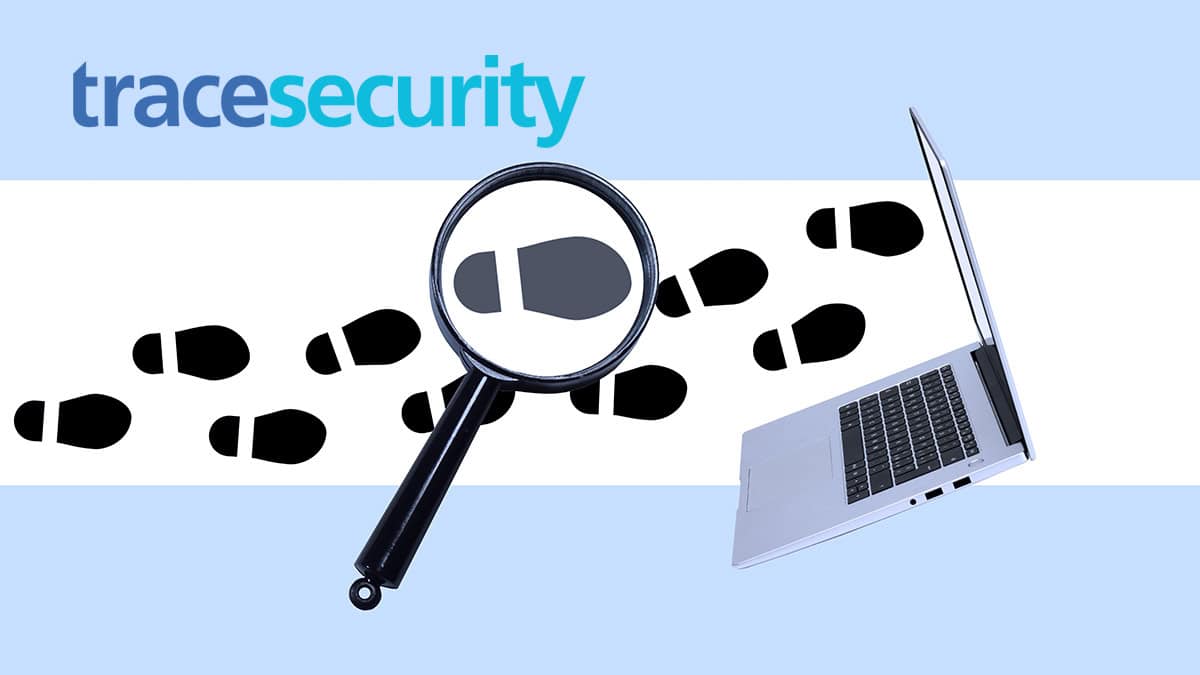
All of this applies to your digital footprint. Bad actors will look around for this footprint and attempt things like phishing and vishing, even going as far as physical social engineering to get sensitive information from employees. They may be able to impersonate the people who have a bigger footprint than others, but there are ways to decrease their size to make it harder to become a target of reconnaissance.
A digital footprint is any information that can be found about you on the Internet. This is also called an “attack surface” when it comes to bad actors looking for ways to get your personal information or to hack you. Some people are more visible than others, especially when it comes to executives and c-level employees of a company.
There are methods to prevent these things from being available on the Internet, however. It is difficult to remove information once it’s there, but there are options. Either way, it’s always a good idea to not put your real information on the Internet. Even if it was in the past, not connected to your current job, people can easily search for these things once you’ve put it out there.
There are many ways that you can shrink or even eliminate your digital footprint on the Internet. It can be difficult to do, depending on your notoriety, but it is possible. While there are things you can do yourself, there are also third-party services that can scrub your information from various parts of the Internet, including advertisement lists.
One of the easiest ways to shrink your digital footprint is to avoid using your real name online. Unless you’re filling out some sort of government form or tax form, you should never display your real name. This includes social media, forum boards, entertainment websites, and even shopping websites. Each of these can be tracked through Google or other search engines, leading bad actors to more information about you.
Stemming from the above example, social media can reveal more about you than you think, especially if you use it often. With casual use, you could easily reveal things about yourself that you might not think is important. For example, mentioning a restaurant you go to frequently can lead to closer location-based information. Mentioning a friend can also make them a target for bad actors, or they can use that name against you if they’re trying to phish you.
If you’re not the head of your business, you may not have complete control over it, but you can always request that your contact information be taken off your company’s website. Some businesses like to put direct contacts for their employees in certain positions, but this can easily be exploited by bad actors. In many cases, this can easily be changed into a general contact form that puts a barrier between you and anyone who wants your email address. This is also a good method for spam control.
In many countries, you have the right to privacy on the Internet. However, that doesn’t keep advertisers and data brokers from taking and distributing your information, making it easy to grab by bad actors. There are many third-party data removal services out there that will personally contact these brokers on your behalf and will have your information removed from any lists that they may have. They’re usually paid services, so keep that in mind when looking for them.
Your digital footprint is something that trails behind you as you use the Internet, just like a physical footprint. It can say many things about you, which bad actors bet on when going through the information-gathering portion, or reconnaissance phase, of their cybersecurity attack. It’s a good idea to reduce your digital footprint as much as you can to avoid anyone getting this information. While it is difficult to eliminate it completely, there are ways to shrink your digital footprint.
You should never use your real name on the Internet except when absolutely necessary. Social media is a dangerous place to put a lot of information, considering this is searchable in many search engines like Google or Bing. Third-party information removing services are also beneficial when it comes to this. Aside from these, your IT professional can help with company-side information that should probably be kept away from the Internet. The less of a digital footprint you have, the harder it will be for a bad actor to target you.