Contact Us
Error: Contact form not found.
Contact Us
Error: Contact form not found.
Client Login
Select a platform below to log in

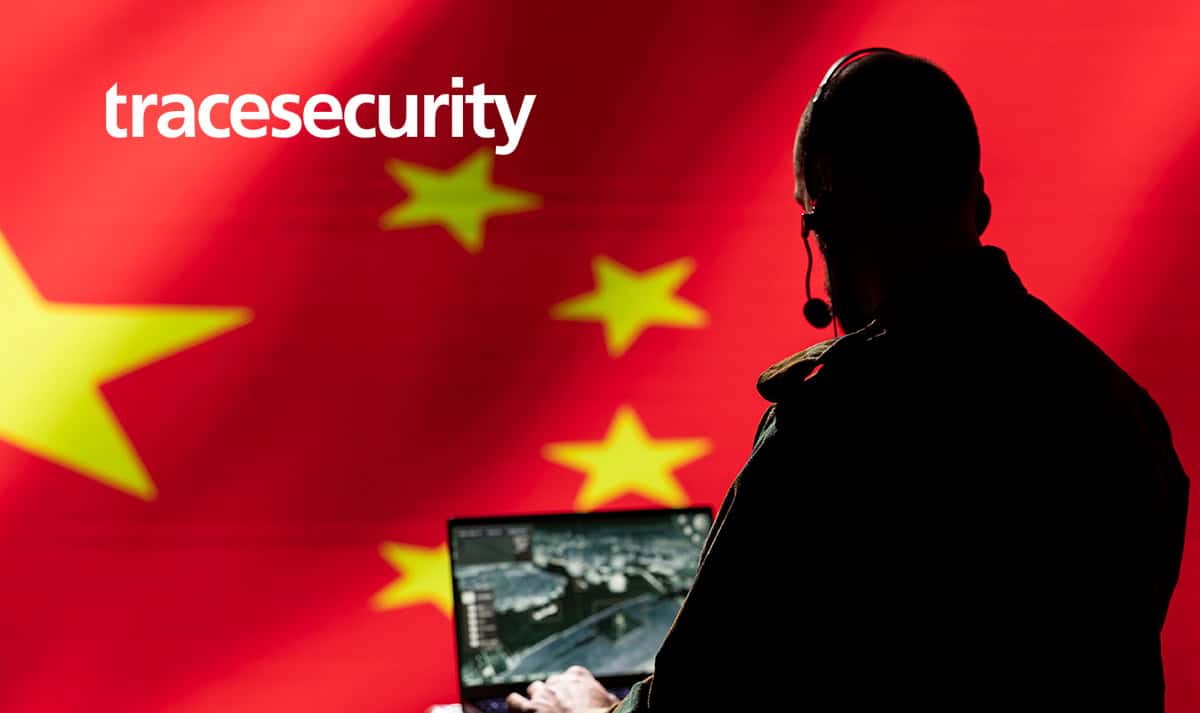
The Chinese State-sponsored cyber campaign known as Salt Typhoon represents a broad and highly sophisticated set of hacking operations attributed to units within the People’s Republic of China’s Ministry of State Security. Emerging from a pattern of advanced persistent threat operations, the campaign has been tied to prolonged espionage across critical telecommunications, government, and military networks worldwide.
Unlike average domestic cybercrime, Salt Typhoon’s methods emphasize stealth, persistence, and intelligence gathering. These factors have raised concerns for U.S. national security and multinational corporations that focus on safeguarding data and critical infrastructure. The Office of Public Affairs says the intention of these threat actors was “to hold at risk U.S. and allied criticla infrastructure, shape U.S. decision making in a time of crisis, and use cyber capabilities to augment PRC geopolitical objectives.”
Salt Typhoon leveraged existing vulnerabilities in network infrastructure, targeting routers, firewalls, and VPN gateways operated by major telecommunications providers and other critical networks. Attackers exploited known flaws in widely deployed systems, injecting custom firmware, creating covert persistent access points, and using encrypted tunnels to extract data without triggering typical alarms.
According to an article published by The Office of Public Affairs and the U.S. Department of Justice, “a federal court in Manhattan unsealed an indictment charging eight i-Soon employees and two MPS officers for their involvement, from at least in or around 2016 through in or around 2023, in the numerous and widespread hacking of email accounts, cell phones, servers, and websites”.
Attackers abused native system tools to fetch and execute malicious code, hiding their presence within the typical network traffic. The group also used fabricated corporate front companies to register domains and host command-and-control servers, covering up activities by using legitimate services.
Once inside networks, Salt Typhoon quietly harvested metadata, subscriber records, administrative credentials, and configuration files, enabling broad visibility into internal communications and infrastructure layouts. In several cases, major telecommunications companies discovered that millions of call detail records and system logs had been exfiltrated. In military-associated networks, attackers captured internal network diagrams and administrative access details over extended periods, creating detailed blueprints for future exploitation.
Threat actors also accessed private 2024 election candidate phone numbers, emails, and detailed telecommunications data. The breach of sensitive data carried serious national security and privacy implications. The Justice Department announced, “a reward of up to 10 million for information leading to the identification or location of any person who, while acting at the direction or under the control of [a] foreign government, engages in certain malicious cyber activities against U.S. critical infrastructure in violation of the Computer Fraud and Abuse Act”. The Department of Justice mentions a list of these threat actors within the article.
The exposure of Salt Typhoon’s activities forced targeted organizations into rapid and expensive responses. Chris Jaikaran, of the Congress’s official website states, “By publicly available counts, this is the fourth time that the U.S. government has established a Cy-ber UCG”. This attack may cause Congress to further examine emergency incident handling, forensic investigations, and widespread system remediation.
Telecommunications providers have been left scrambling to patch vulnerable systems, reconfigure network defense protocols, and enhance monitoring capabilities. David Jones of Cybersecurity Dive writes, “As part of the attack, the hackers accessed the private data of [then-candidates] Donald Trump and J.D. Vance and their Democratic rival Kamala Harris’s campaign”.
One of the biggest impacts of this data breach was the erosion of customer trust and regulatory pressure. Governments and enterprises will need to accelerate long-term cybersecurity investments to mitigate future state-sponsored threats.
Salt Typhoon’s cyber campaign demonstrates that state-sponsored cyber warfare is persistent, strategic, and deeply embedded in modern geopolitical competition. The long-term infiltration of critical systems illustrates how digital infrastructure has become a primary battleground. Defending against such threats requires sustained vigilance, international cooperation, and robust cybersecurity measures. As reliance on interconnected systems grows, intrusion detection systems and intrusion prevention systems will certainly need to consider reshaping defensive strategies and protocols well into the future.