Understanding and Securing the Session Layer of the OSI Model
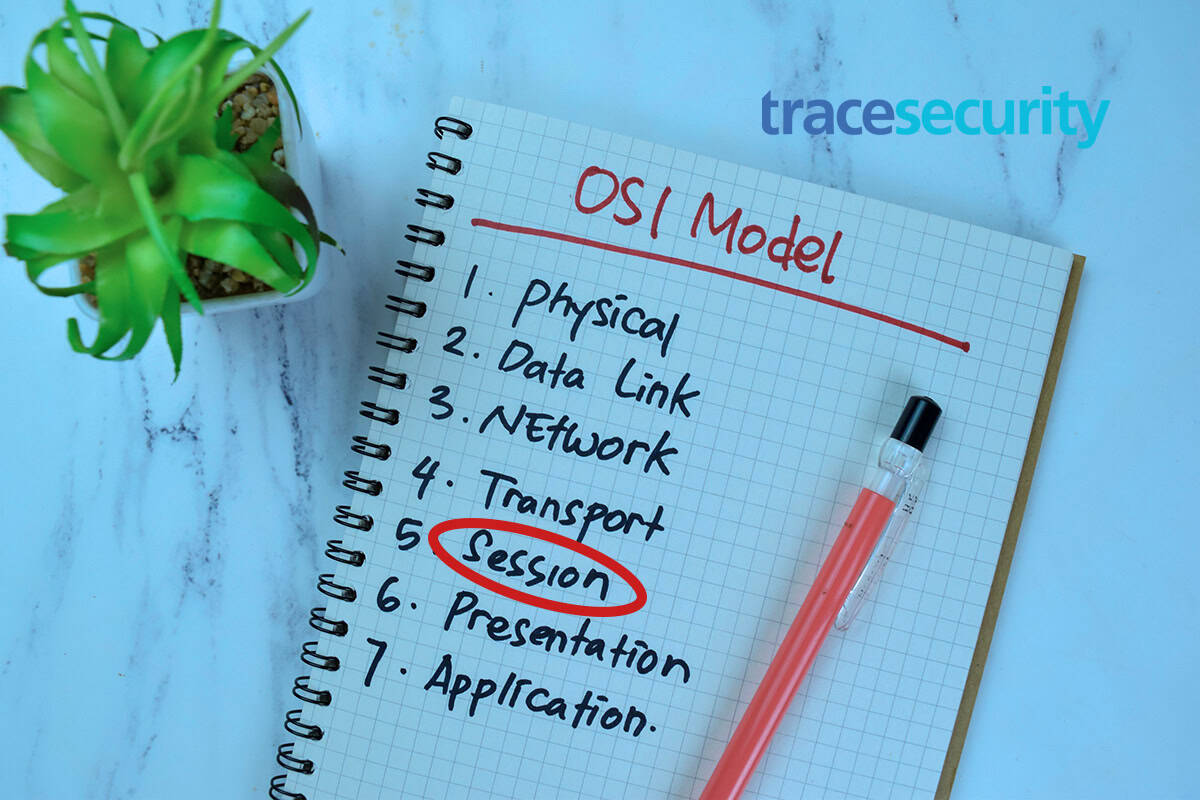
The Open Systems Interconnection (OSI) model is a conceptual framework used to understand and implement network protocols in seven layers. Each layer has distinct functions and responsibilities. The session layer, which is the fifth layer, plays a crucial role in managing and controlling the dialogues (sessions) between computers. This blog post will delve into the functions of the session layer and provide insights on how to secure it effectively.
What is the Session Layer?
The session layer is responsible for establishing, managing, and terminating connections between applications. It acts as a dialog controller, allowing systems to communicate in either half-duplex or full-duplex mode. This layer ensures that data streams are properly synchronized and managed, preventing data loss and ensuring that the ends of messages are not cut off.
Key functions of the session layer include:
Session Establishment, Maintenance, and Termination: The session layer sets up, coordinates, and terminates conversations between applications. It manages the creation, maintenance, and termination of sessions.
Dialog Control: It allows two systems to enter into a dialog, controlling whether the communication is half-duplex (one-way at a time) or full-duplex (both ways simultaneously).
Synchronization: The session layer adds checkpoints or synchronization points into data streams. This ensures that if a session is interrupted, it can be resumed from the last checkpoint, rather than starting over.
Token Management: It prevents two devices from attempting the same critical operation simultaneously by managing tokens.
Common Threats to the Session Layer
The session layer is vulnerable to several types of attacks, which can compromise the security and integrity of the communication sessions. Some common threats include:
Session Hijacking: Attackers can take over a session by stealing or guessing session tokens. This allows them to impersonate a legitimate user and gain unauthorized access to resources.
Cross-Site Scripting (XSS): Malicious scripts can be injected into web pages, which can then steal session cookies and hijack sessions.
Session Fixation: Attackers can set a user’s session ID to a known value, which they can later use to hijack the session.
Sidejacking: This involves intercepting and stealing session cookies over an unencrypted network.
Securing the Session Layer
To protect the session layer from these threats, several security measures can be implemented:
Use of HTTPS: Enforcing HTTPS ensures that all data transmitted between the client and server is encrypted. This prevents attackers from intercepting and reading the data, including session tokens.
Secure Session Management: Implement strong session management practices, such as using secure, random session identifiers and regenerating session IDs after authentication. This reduces the risk of session hijacking and fixation.
Cookie Security: Set cookies with the HttpOnly and Secure flags. The HttpOnly flag prevents client-side scripts from accessing the cookies, while the Secure flag ensures that cookies are only sent over HTTPS.
Session Timeout: Implement session timeout mechanisms to automatically terminate inactive sessions. This limits the window of opportunity for attackers to hijack a session.
Regular Audits and Monitoring: Regularly audit and monitor sessions for unusual activity. This helps in early detection and mitigation of potential attacks.
Encryption: Encrypt session data to protect against eavesdropping and session replay attacks. Use strong encryption standards as recommended by NIST.
Multi-Factor Authentication (MFA): Implement MFA to add an extra layer of security. Even if an attacker manages to steal session tokens, they would still need the second factor to gain access.
Conclusion
The session layer of the OSI model is critical for managing and controlling communication sessions between applications. However, it is also a target for various types of attacks. By understanding the functions of the session layer and implementing robust security measures, organizations can protect their communication sessions from potential threats. Ensuring the security of the session layer is essential for maintaining the integrity and confidentiality of data transmitted over the network. By following best practices such as using HTTPS, implementing secure session management, and encrypting session data, organizations can significantly reduce the risk of session layer attacks and enhance their overall network security.
Read the Other OSI Model Articles: