Client Login
Select a platform below to log in

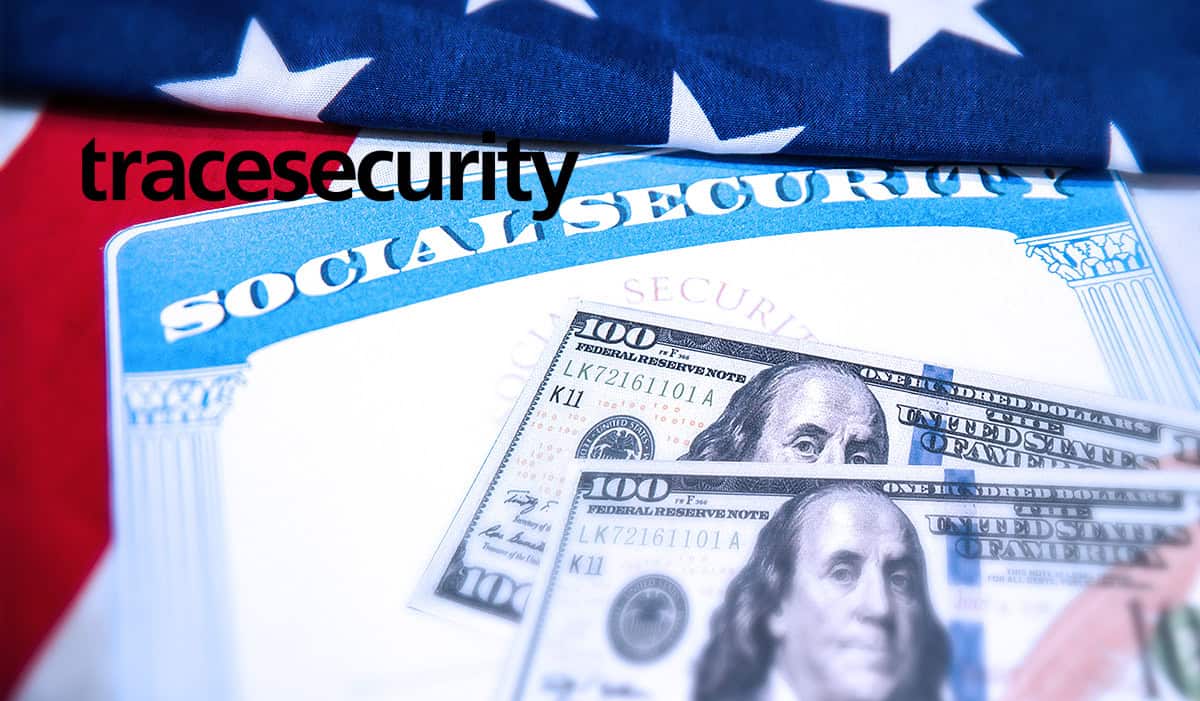
Billions of Social Security numbers have reportedly been exposed in what cybersecurity researchers call one of the largest identity-data aggregations ever discovered online. The Tech Buzz writes, “What security researchers describe as a ‘vast trove’ of sensitive personal information sat exposed on the open internet”.
Social Security numbers are not just personal identifiers; they are the keys to financial identity in the United States. When databases containing this type of information surface on the web or dark-web marketplaces, the exposure threatens individuals, financial institutions, and government systems simultaneously. The incident highlights a long-standing structural weakness in how sensitive data is stored, aggregated, and monetized across industries.
There weren’t enough layers of security and authentication to secure this data leak, and according to The Tech Buzz, there was “no authentication, no encryption, no barriers between the database and the public internet”. What would seem to be common knowledge for any preventative cybersecurity infrastructure was completely disregarded.
According to preliminary findings from security analysts, the leak originated from a poorly secured cloud provider named Hetzner that compiled records from multiple sources. The Tech Buzz writes, “Databases of this size typically belong to data brokers, credit reporting agencies, or other companies whose entire business model revolves around collecting and monetizing personal information”.
In many large-scale exposures, the technical root cause is often misconfigured cloud storage, insufficient access control, or a lack of encryption at rest. Once discovered, the database was reportedly accessible without authentication, allowing anyone to view or download its contents. According to Wired, this finding was initially discovered by cybersecurity researcher Greg Polluck from the company Upguard, who was the first to report on this story.
Wired writes, “The Upguard researchers point out that not all of the records represent unique valid information, but the raw totals they found in the January exposure included roughly 3 billion email addresses and passwords as well as about 2.7 billion records that included Social Security numbers”.
At the time of reporting, there is no confirmed evidence that suggests that the entire dataset has been systemically exploited or attacked by a malicious actor. However, the absence of exploitation does not eliminate risk. The security agency Upguard worked with a sample of 2.8 million records and traced the data back to 2015.
Lily Hay Newman of Wired publication writes, “Passwords referencing One Direction, Fall Out Boy, and Taylor Swift were very common”. This means that cybercriminals can keep trying similar login credentials for multiple accounts. The inclusion of emails and passwords makes this a complex and large data breach to remediate. According to Lily Hay Newman, “Pollock says that one in four Social Security numbers appeared to be valid and legitimate”.
A forensic investigation is underway to determine the full scope of access, duration of exposure, and whether additional systems were compromised. Many victims are unaware that their data has been exposed. Wired publication’s Lily Hay Newman writes, “To verify the data, Upguard researchers contacted a handful of people whose data appeared in the leaked trove”.
The leak has been contained, but efforts to subdue this data leak are still underway. Regulators will be forced to evaluate whether data-handling practices violated existing compliance frameworks such as GLBA or state data-protection statutes.
This incident reinforces the concentrated risk of the centralized storage of personal identifiers. While technology safeguards exist, such as encryption, tokenization, and zero-trust architectures, the human configuration errors that undermine them remain persistent. The broader lesson extends beyond one database. However, this can be circumvented with security awareness programs and other cybersecurity services.
While Social Security numbers function as primary identity credentials across financial and governmental systems, their exposure will continue to pose a systemic risk. The event highlights the urgent need to modernize identity verification frameworks toward multi-factor, revocable credentials rather than relying on static identifiers.