Contact Us
[contact-form-7 id="ceb4db8" title="Contact form 1"]
Contact Us
[contact-form-7 id="ceb4db8" title="Contact form 1"]
Client Login
Select a platform below to log in

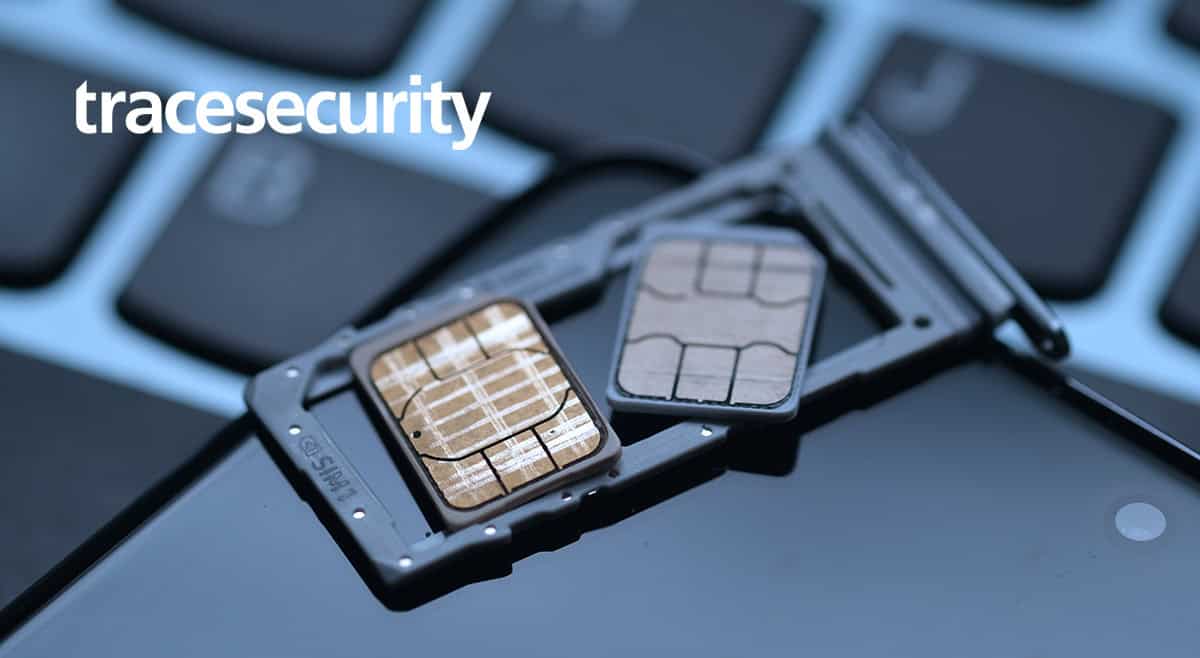
In the modern security landscape, we protect our accounts with strong passwords, enable multi-factor authentication (MFA), and remain on the lookout for phishing attempts. Yet, one of the most overlooked vulnerabilities isn’t a weak password or a malicious email. It is your phone number.
A growing number of cybercriminals are exploiting this single point of failure through a technique known as SIM swapping, also known as SIM porting fraud. With nothing more than a phone call and a few pieces of stolen information, attackers can hijack your number, intercept security codes, and take over your most sensitive accounts; often in under an hour. In this article, we’ll break down how SIM swapping works, why it’s so dangerous, and what you can do to prevent it.
SIM swapping is a type of social engineering attack in which a criminal convinces a mobile carrier to transfer a victim’s phone number to a new SIM card that the attacker controls. Once the swap is complete, the attacker’s phone becomes the new destination for all calls and text messages, including one-time passcodes (OTPs), password reset links, and MFA tokens.
This effectively gives the attacker the keys to your digital life. Because so many accounts rely on phone numbers for verification, a successful SIM swap can allow an attacker to bypass even strong security controls and gain full access to your email, bank accounts, and more.
Although the specific techniques vary, most SIM swap attacks follow a similar pattern:
The consequences of a SIM swap can be devastating and far-reaching:
Even security-savvy individuals, including technology executives, investors, and cybersecurity professionals, have fallen victim. In several high-profile cases, criminals have stolen millions of dollars’ worth of digital assets through nothing more than a SIM swap.
While SIM swapping is a serious threat, it’s also preventable with the right precautions. Both individuals and organizations should consider the following best practices:
1. Add a Carrier PIN or Port Lock
Contact your mobile carrier and request a PIN, password, or port-lock on your account. This extra verification step makes it significantly harder for attackers to impersonate you.
2. Avoid SMS-Based MFA
SMS is convenient but insecure. Instead, use:
3. Harden Your Account Recovery Settings
Review all recovery options for your online accounts. Remove outdated phone numbers or email addresses, and enable alerts for any password changes or new device sign-ins.
4. Limit Your Digital Footprint
Think twice before sharing personal details online. The less information attackers can gather about you, the harder it is for them to impersonate you during a carrier call.
5. Educate Employees and Family
Because SIM swaps often start with phishing or social engineering, regular security awareness training is critical, both at work and at home.
If your phone suddenly loses service without explanation, don’t ignore it. Every second counts. Here’s what to do immediately:
SIM swapping is one of the most effective and fastest-growing forms of account takeover today. As attackers continue to exploit phone-based authentication, both individuals and organizations must evolve their security practices. The bottom line is simple: your phone number should never be treated as your identity.
By adding stronger layers of authentication, securing your carrier account, and reducing your exposure to social engineering, you can significantly reduce the risk of falling victim to this type of attack. In cybersecurity, the smallest details often make the biggest difference. Protecting your phone number is one of those details.