Client Login
Select a platform below to log in

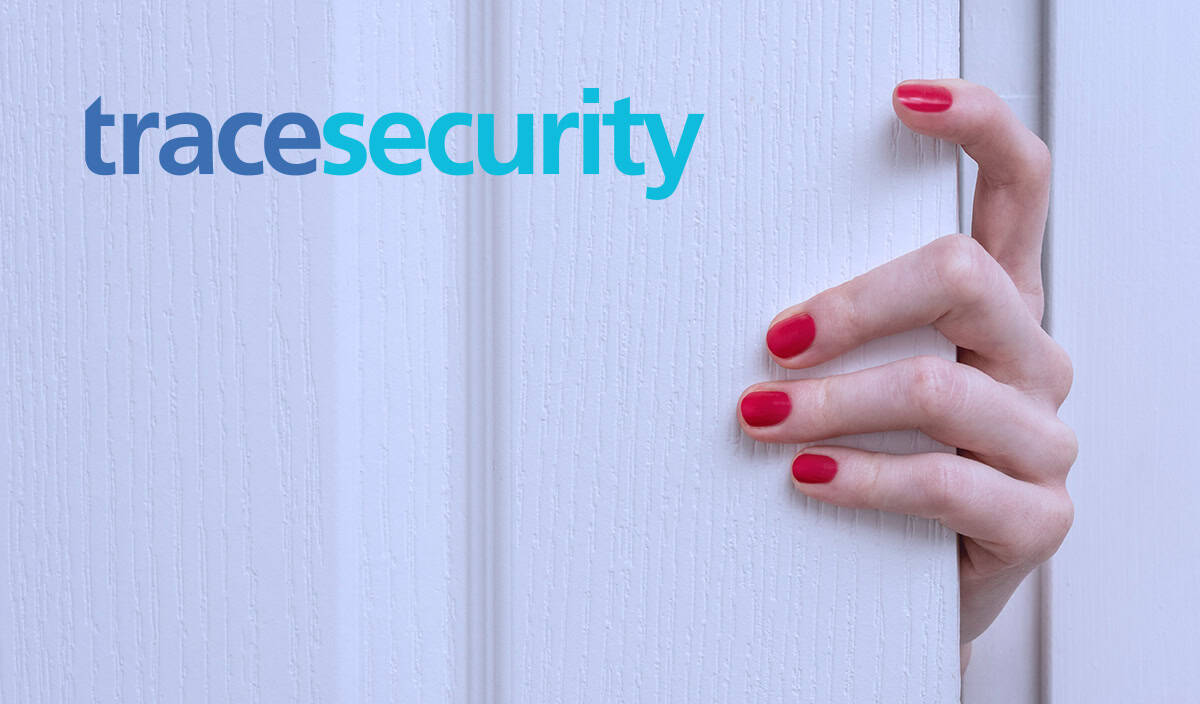
Even though much of cybersecurity revolves around online and network dangers, there is a physical part that businesses often forget. While it is important to be aware of phishing, smishing, and various other types of social engineering, there are types of physical social engineering as well. It is important to keep in mind that bad actors will do anything to get their hands on sensitive information.
People underestimate how much data is available outside of the computer. With printed papers, storage devices, and even portable devices, these things are easy to take pictures of or even steal. A few seconds of an unattended guest can lead to a dangerous breach that can shut the company down for days on end. This is why policies and procedures are in place, especially for visitors who may try to tailgate.
The main thing that a bad actor wants is information. As such, if they are present at the business’s location, they will want to get into the restricted areas where the employees work or relax. Some employees will have important documents sitting on their desks or in open areas where anyone can sneak a picture. One of the common ways that bad actors will get to these areas is with tailgating.
Tailgating is when one of these bad actors tries to follow closely behind an authorized person, usually an employee, through a locked door or barrier. Since these doors are normally inaccessible to non-employees, it presents an opportunity to get through. They will then pretend like they should be in there and try to get away from the person that they tailgated, usually moving to more secluded areas like workstations or break rooms.
These bad actors will likely have on some sort of disguise. They can range from dressing similarly to the employees of the business, a familiar contractor, or even a maintenance worker. It can be quite convincing, but they all fall apart if proper policies and procedures are followed. Bad actors do not want to be engaged with—once they are, they will quickly fold under the pressure.
Despite there being many defenses against these sorts of attacks, the biggest block for any bad actor is an employee who is aware of security procedures. Most of these cybersecurity measures are based around employees, so it’s important to keep them trained on security awareness.
When it comes to social engineering, the most powerful tool is one simple question: “can I see your verification?” This extends far beyond just tailgating—it can be used for phishing and vishing as well. A bad actor will not be able to provide authentic verification in any circumstance. They will try to get around it by passing it off or pushing for urgency.
Another important form of security awareness is being aware of who is in your office spaces. If you don’t see someone that doesn’t belong, it’s a good idea to either ask them for verification or ask management if they are aware of the unknown person. Simply asking around can prevent a breach from happening, considering bad actors do not want attention if they are around.
If someone tries to enter restricted areas in your business while claiming to be a contractor, it’s always important to stay with them until they are verified. Even if you aren’t authorized to give proper permission to a contractor or other worker, procedures usually state that you should remain with them until a manager gives the okay. Even beyond that, it’s a good idea to remain with them while they complete their contracted job.
Loose papers and documents on a desk are prime targets for bad actors. All they have to do is walk down an aisle of cubicles and snap pictures with their phone or camera. This is why it’s always crucial to have a clean desk space, free of all papers, whether important or not. If there is sensitive information, it can be not only bad for your business, but it can be bad for your customers as well.
While it may seem like a no-brainer, a locked door is secure against everyone. Locks have come a long way over the past few decades, but even a simple key can save your organization from a bad actor. It can be an inconvenience at times, especially if an employee forgets their keys, but it is important in the long run. Keys are safer than unlocked doors.
Company policies and procedures should dictate how visitors are handled when they arrive on the property. This usually involves an employee staying with them at all times, whether contractor, customer, or anyone who isn’t an employee. Keeping an eye on these visitors will protect your business from bad actors, who may try to enter unauthorized areas.
Security awareness will always help with identifying people who may try to cause harm to your business. Even if they may seem like a proper contractor, it is never a good idea to leave them alone, especially if they’re trying to get in through tailgating. They can easily take pictures of documents on your desk if they aren’t put away or even steal things if not secured. Always be aware of the people around you.