Contact Us
Error: Contact form not found.
Contact Us
Error: Contact form not found.
Client Login
Select a platform below to log in

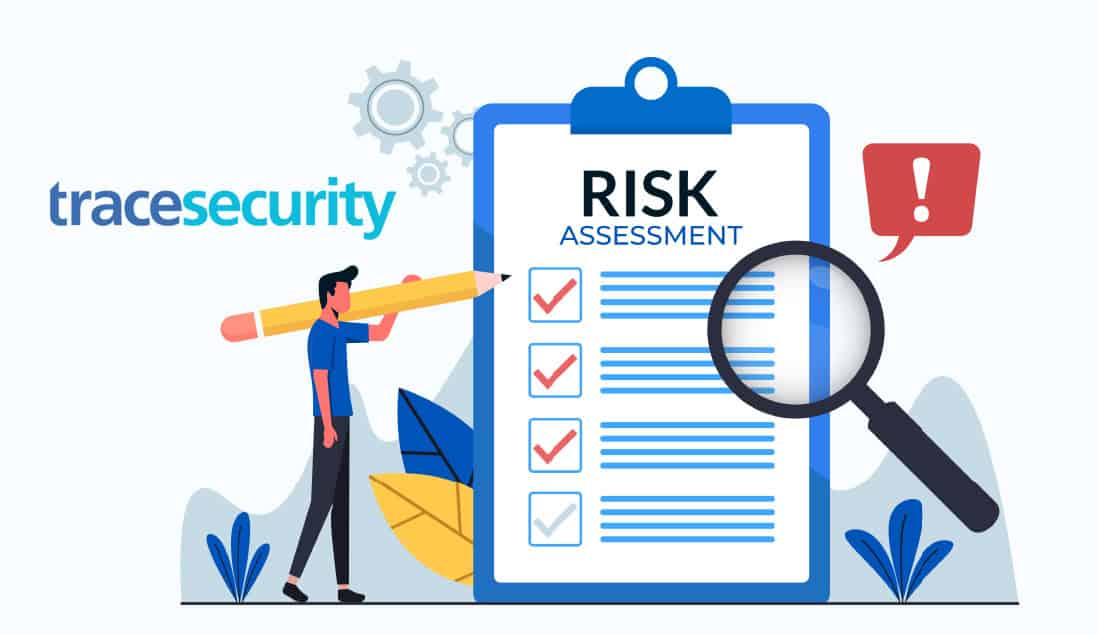
Risk management is essential to successful business operations in today’s complex and rapidly changing business landscape. Companies must continuously evaluate risk profiles and take appropriate action to ensure long-term stability and success. One crucial aspect of risk management is conducting third-party risk assessments and verifying the effectiveness of existing controls. This article delves into the importance of third-party assessments, the verification process, and their impact on a company’s overall risk management strategy.
Third-party risk assessments involve engaging external companies or consultants to evaluate an organization’s potential risks. This external perspective offers several benefits, including increased objectivity, access to specialized expertise, and the ability to benchmark against industry standards. In addition, by performing a third-party risk assessment, companies can gain valuable insight into potential threats that might disrupt their operations and take proactive measures to mitigate them.
There are several advantages associated with third-party risk assessments, including:
Once a company has identified its risks through a third-party risk assessment, it must implement appropriate controls to mitigate them. However, these controls are only effective if properly designed and functioning as intended. Therefore, verifying the effectiveness of controls is crucial to ensure that risk mitigation measures are successful and that the company is adequately protected from potential threats.
The process of verifying controls typically involves the following steps:
1. Review of control design: This step involves evaluating the design of existing controls to ensure they are appropriate for addressing the identified risks. Companies should assess whether the controls are appropriately designed, comprehensive, and aligned with industry best practices.
2. Testing of control effectiveness: This step involves testing the controls to ensure they function as intended. This may include reviewing documentation, conducting interviews, observing processes, and performing other tests to assess the controls’ effectiveness in mitigating the identified risks.
3. Continuous monitoring: Companies should continuously monitor their controls to ensure they remain effective over time. This may involve regular testing, updating controls as necessary, and tracking changes in the risk environment to ensure the controls remain relevant and adequate.
Third-party risk assessments and verifying controls are vital to a company’s overall risk management strategy. Companies can make better-informed decisions and implement appropriate controls to mitigate potential threats by engaging external experts to identify and understand risks. Additionally, verifying the effectiveness of these controls is equally essential to ensure the company remains adequately protected and resilient to disruptions. Finally, by prioritizing these processes, companies can enhance stakeholder trust, improve decision-making, and ultimately achieve greater long-term success.